Vehicles
A Guide to Commercial Motor Insurance
Vehicles used for business carry different risks from private motoring. This guide explains the layers of motor cover and what to check in a commercial policy.
By Tasman Insurance Group4 min read
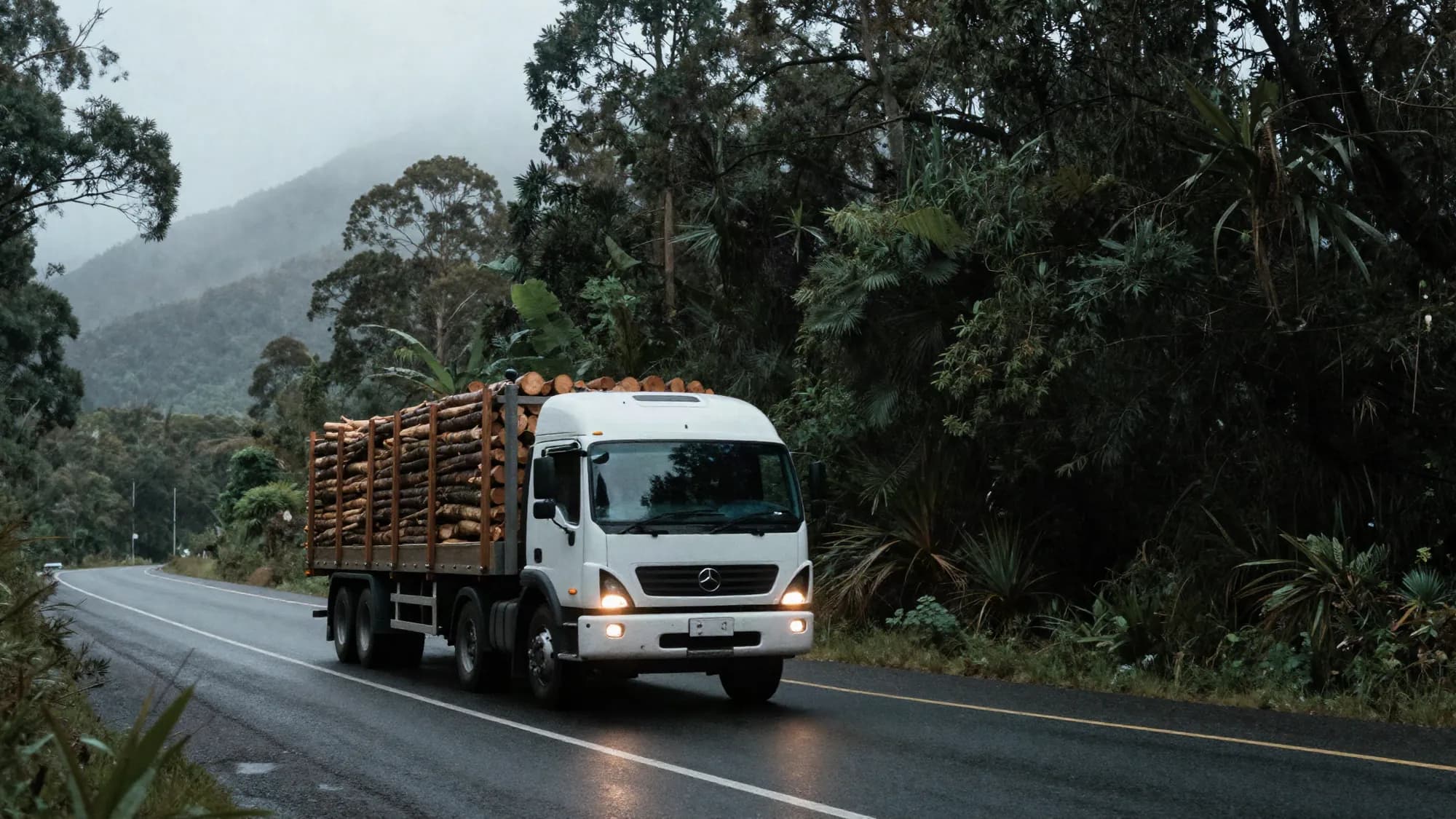
If your business owns or uses vehicles, they are often central to how you earn income. A single delivery van and a fleet of heavy trucks both bring risks that differ from private motoring.
Commercial motor insurance is designed for vehicles used for business purposes. Policies can be arranged for one vehicle or for a fleet.
Understanding the layers of motor cover
Motor insurance in Australia generally falls into a few layers. Knowing what each layer is designed to do helps you work out where the gaps might be.
Compulsory third party (CTP)
CTP is required to register a vehicle. It is designed to cover liability for injury or death caused to other people in a road accident, with the details depending on the scheme in each state or territory. CTP does not cover damage to vehicles or other property.
Third party property damage
This type of policy is designed to respond to damage your vehicle causes to other people's vehicles and property. It generally does not cover damage to your own vehicle, although some policies offer limited options.
Third party, fire and theft
This adds some cover for your own vehicle if it is stolen or damaged by fire, in addition to third party property damage, subject to the policy terms.
Comprehensive
A comprehensive motor policy may cover accidental damage to your own vehicle, as well as theft, fire and liability for damage to other people's property. The scope still depends on the wording, and exclusions and excesses apply.
Features worth checking
Commercial motor policies can include options that are less common in private car insurance. Depending on the insurer and policy, you may see:
- Agreed value or market value as the basis of settlement
- Cover for signwriting, racking, toolboxes and other fitted accessories
- Hire or substitute vehicle costs after an insured event
- Towing and storage costs
- Windscreen and glass options
- Cover for goods carried, which may sit under a separate policy
Agreed value and market value
With agreed value, you and the insurer agree on an amount when the policy is set up. Market value is generally based on what the vehicle would have been worth just before the loss. Each approach has trade-offs, and the right choice depends on the vehicle and how you use it.
Drivers, use and declarations
Insurers assess commercial motor risk based on who drives the vehicles, how they are used and where they operate. Getting these details right helps the policy reflect your situation.
- The type of vehicle and its use, such as carrying goods, trade work or passenger transport
- The usual area of operation and distances travelled
- Driver ages, licence types and driving history
- Where vehicles are kept overnight
- Any modifications or accessories
Many policies apply additional excesses for younger or inexperienced drivers, or for drivers not listed on the policy. Some exclude cover if the driver was not appropriately licensed or was affected by alcohol or drugs. Check these conditions carefully, especially if staff use the vehicles.
For business insurance, you generally have a duty of disclosure. Tell the insurer about matters relevant to their decision, such as past claims, licence suspensions and changes in how vehicles are used.
Managing vehicle risk day to day
Good fleet habits can reduce accidents and support a smoother claims process if something does happen.
- Check driver licences when staff start and at regular intervals
- Keep maintenance records, including brakes and tyres
- Set clear rules on fatigue, phone use and load restraint
- Keep a simple incident kit in each vehicle, with a notepad and a note of what to record
- Report incidents promptly, even minor ones
Heavy vehicles may also be subject to obligations under heavy vehicle laws, such as fatigue management and load requirements. These sit outside your insurance but can affect your overall risk.
If you run more than a few vehicles, a fleet policy may be worth comparing against separate policies. Tasman Insurance Group can help you look at the options and explain how each one is likely to respond.
This article is general information only and does not take into account your objectives, financial situation or needs. Before making a decision about insurance, read the relevant Product Disclosure Statement and policy wording, and speak with a licensed adviser about your circumstances.