Retail Business Insurance
Cover options for shops, market stalls and online retailers looking after stock, premises and customers.
Industry overview
Retailers hold stock, welcome the public and often lease their premises. Each of these brings its own risks, from break-ins to a customer tripping over a display.
Many retailers now sell in store, at markets and online. Insurance options can differ depending on where you trade, so it helps to describe your full operation when arranging cover.
Common business risks
Theft and burglary
Break-ins after hours can lead to lost stock and damage to doors, windows and fittings. Shoplifting during trading hours is treated differently under many policies.
Customer injuries
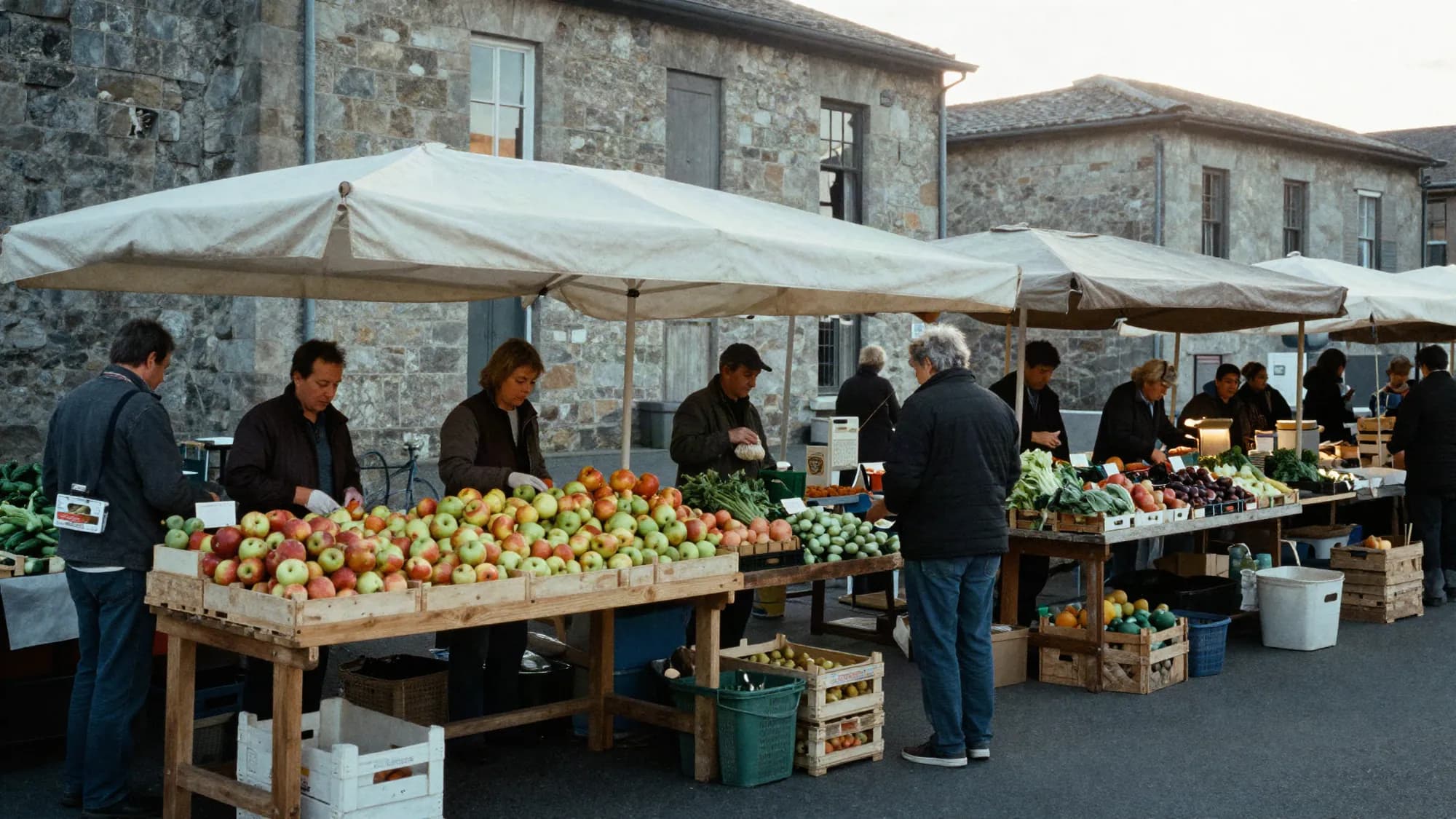
Spills, cluttered aisles and uneven entryways can cause falls. Market stalls bring added hazards such as gazebos in wind.
Glass breakage
Shopfront windows and display cabinets can be broken accidentally or deliberately. Replacement can leave the shop exposed until repaired.
Product liability
If a product you sell causes injury or damage, a claim may be made against your business, particularly where you import or label goods yourself.
Lease obligations
Retail leases commonly require tenants to hold certain insurance. Landlords may ask for evidence each year.
Online trading and data
Online stores hold customer details and payment information. A data breach or website outage can disrupt sales.
Insurance commonly considered
Businesses in this sector often look at the following types of cover. What suits you depends on your operations, contracts and assets.
- Business InsuranceA retail business package may bring together stock, contents, glass and theft cover, depending on the options chosen.
- Public & Product Liability InsuranceShops and market stallholders are often asked to hold public liability by landlords and market organisers.
- Business Interruption InsuranceRetailers may consider this cover to help with lost income if an insured event forces the shop to close for a time.
- Cyber InsuranceRetailers with online stores or customer databases may look at cover for data breaches and cyber incidents.
- Commercial Motor InsuranceRetailers who use vans for deliveries or market trading may need cover for business use of their vehicles.
Risk management considerations
- 1Install monitored alarms, good lighting and secure locks, and check them regularly.
- 2Keep aisles clear and clean up spills quickly during trading hours.
- 3Hold stock records that are accurate and up to date so values can be shown if a claim arises.
- 4Weight down gazebos and check market stall setups in windy conditions.
- 5Keep supplier details and product information for goods you import or relabel.
- 6Check your lease insurance clauses and diarise when certificates need to go to the landlord.
Why broker support helps
Retail cover can depend on details such as stock levels, security measures and seasonal peaks. A broker can help you set sums insured and options that reflect how your shop trades through the year.
If a break-in or damage happens, a broker can help you understand what information the insurer needs and support you through the claim.
Frequently asked questions
Does business insurance cover shoplifting?
Many theft sections require signs of forcible entry, which means everyday shoplifting may not be covered. The exact conditions depend on the policy, so it is worth reading the theft section closely.
Can I increase my stock cover over Christmas?
Some policies include a seasonal increase for stock during busy periods, and others allow you to request a temporary change. The amount and timing vary between insurers.
Do market stallholders need insurance?
Many market organisers ask stallholders to show public liability cover before they can trade. Requirements are set by each market, so it is worth checking with the organiser.
What is product liability?
Product liability relates to injury or property damage caused by a product you have sold or supplied. It is often included with public liability in a combined policy, although limits and conditions vary.
Talk to us about insurance for your business.
Tell us how your business operates and we'll discuss the types of cover that may be relevant.